Young people's wellbeing begins with relationships
An international Erasmus+ project brought new ways of looking at how we support young people
Young people's mental health is one of the big challenges of our time. Stress, uncertainty, social isolation, problems in relationships or not feeling accepted affect their everyday life, their personal growth and their ability to take part in society.
How can we support young people better? How do we recognise their needs, create safe places and build relationships based on trust? And what do youth workers themselves need to carry this role responsibly and for the long term?
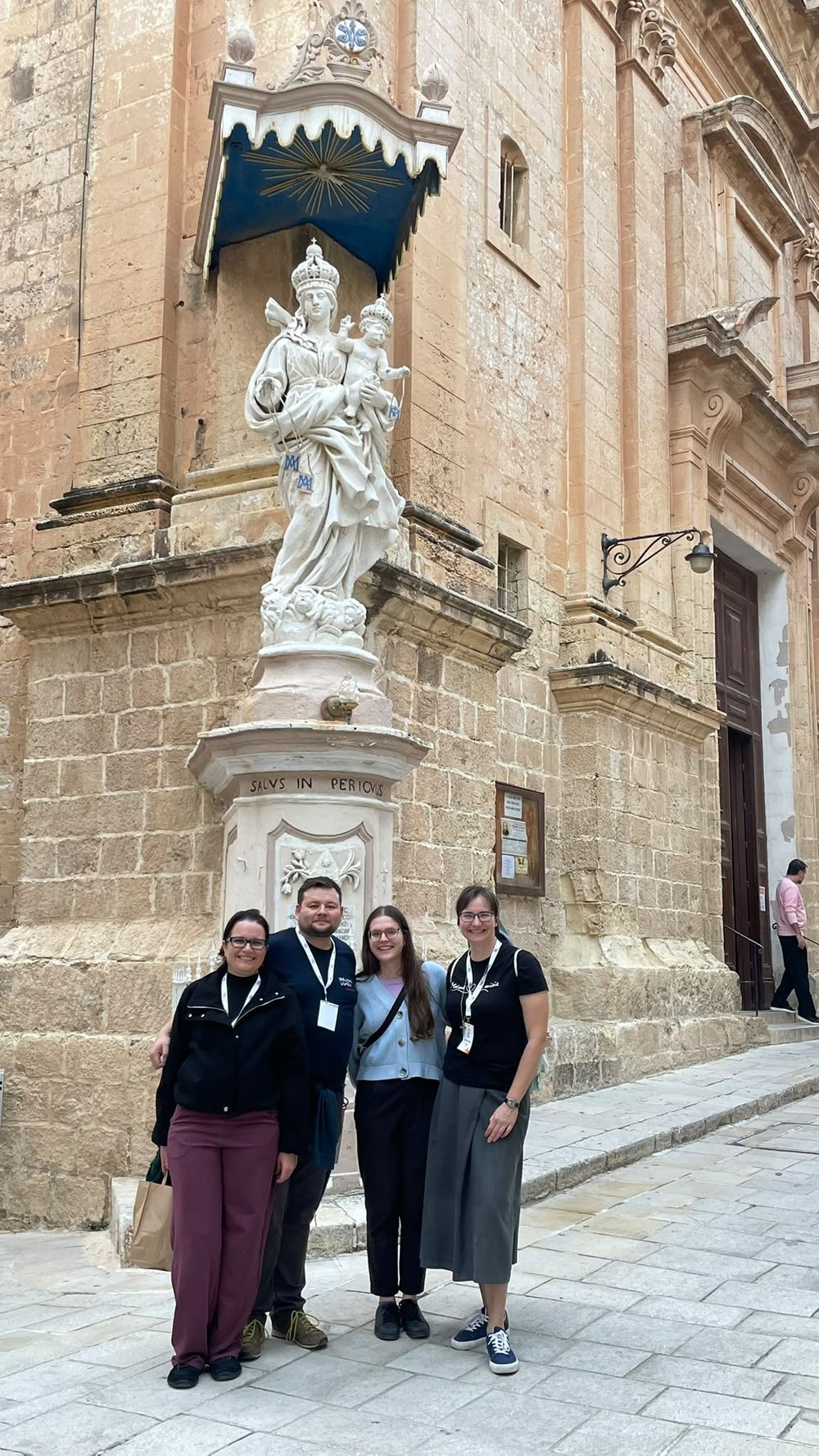
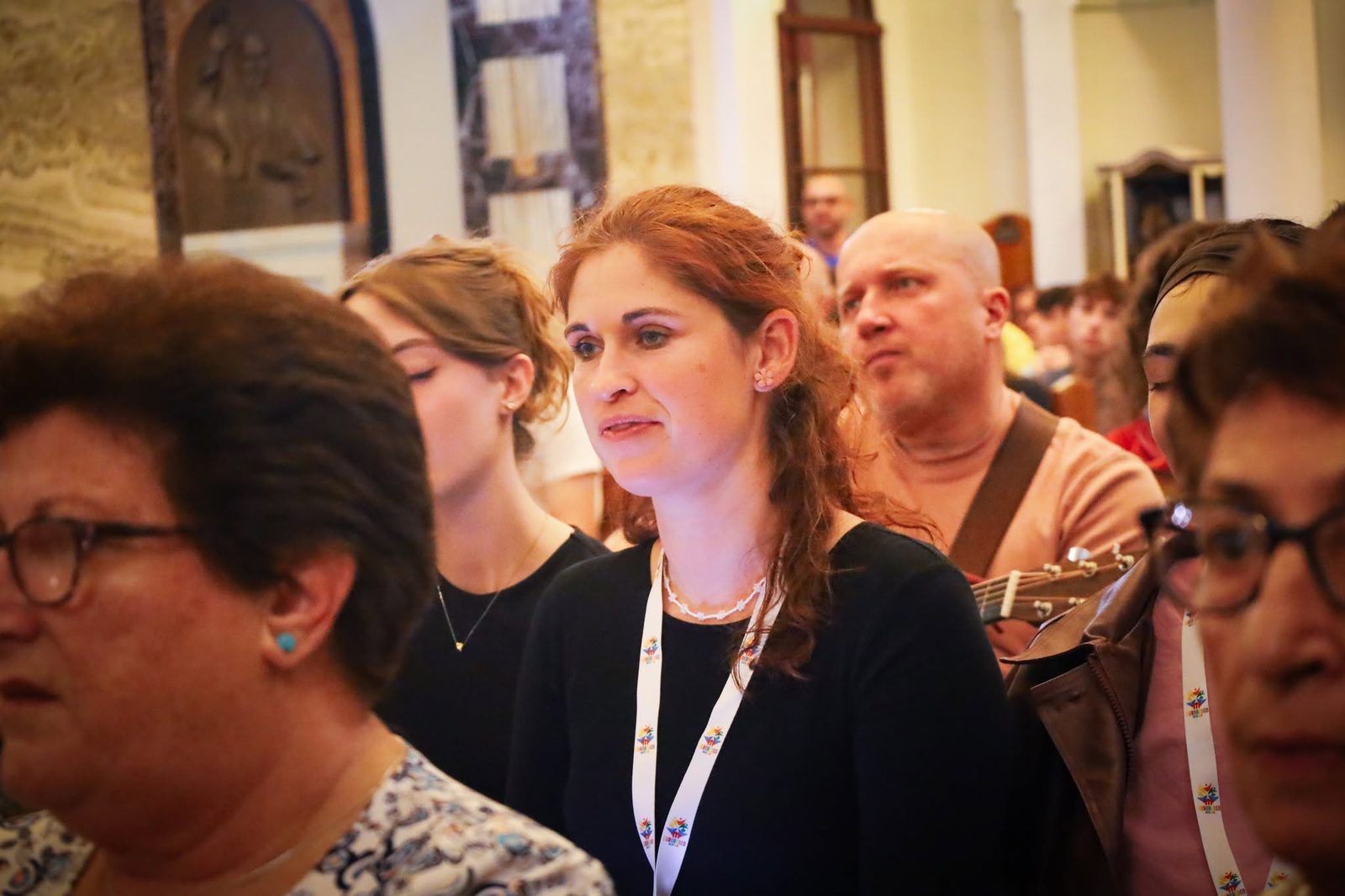
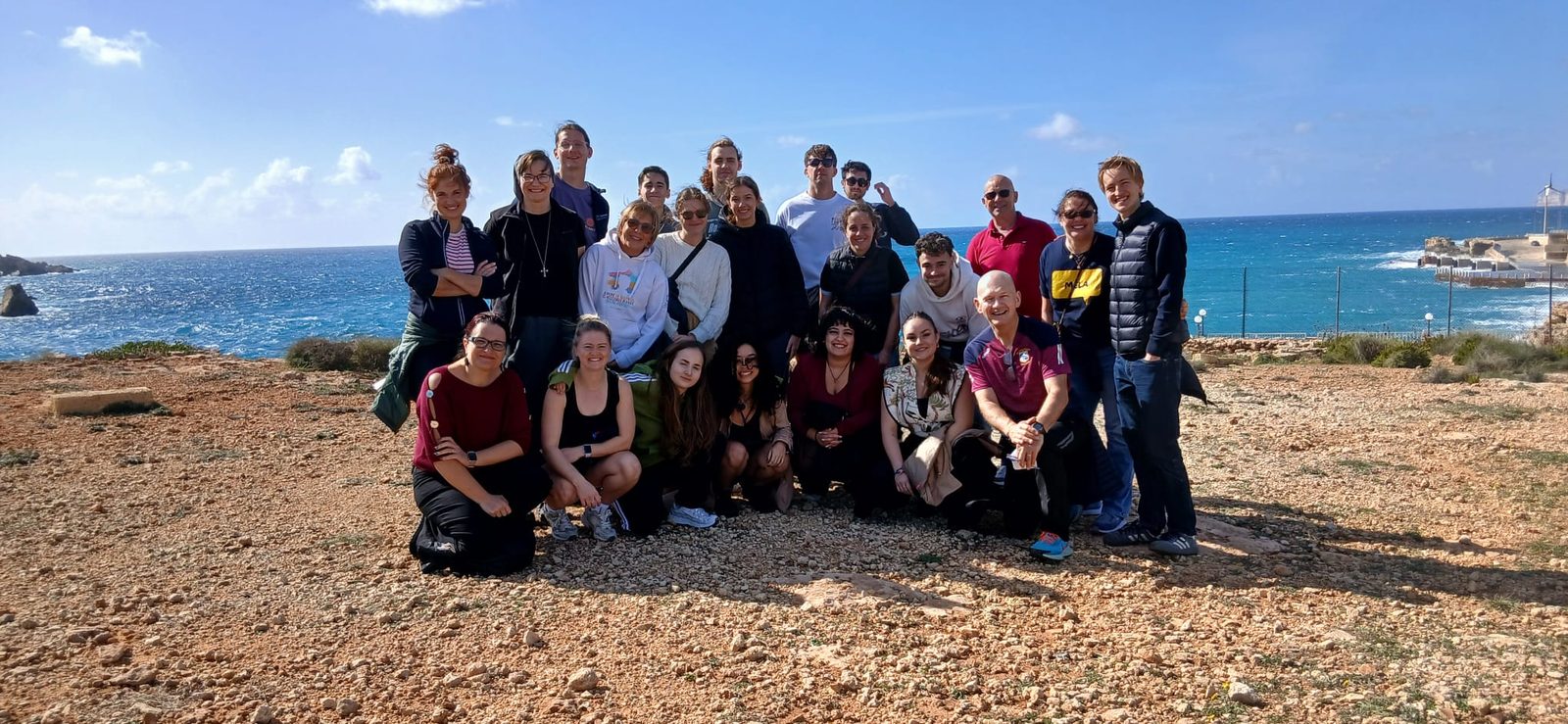
These were some of the questions behind the international Erasmus+ training project PDAMS01 – Youth Wellness: Caring, Connecting and Creating, held in Malta from 2 to 8 November 2026. It was coordinated by Friends of Don Bosco Malta under its Erasmus+ accreditation.
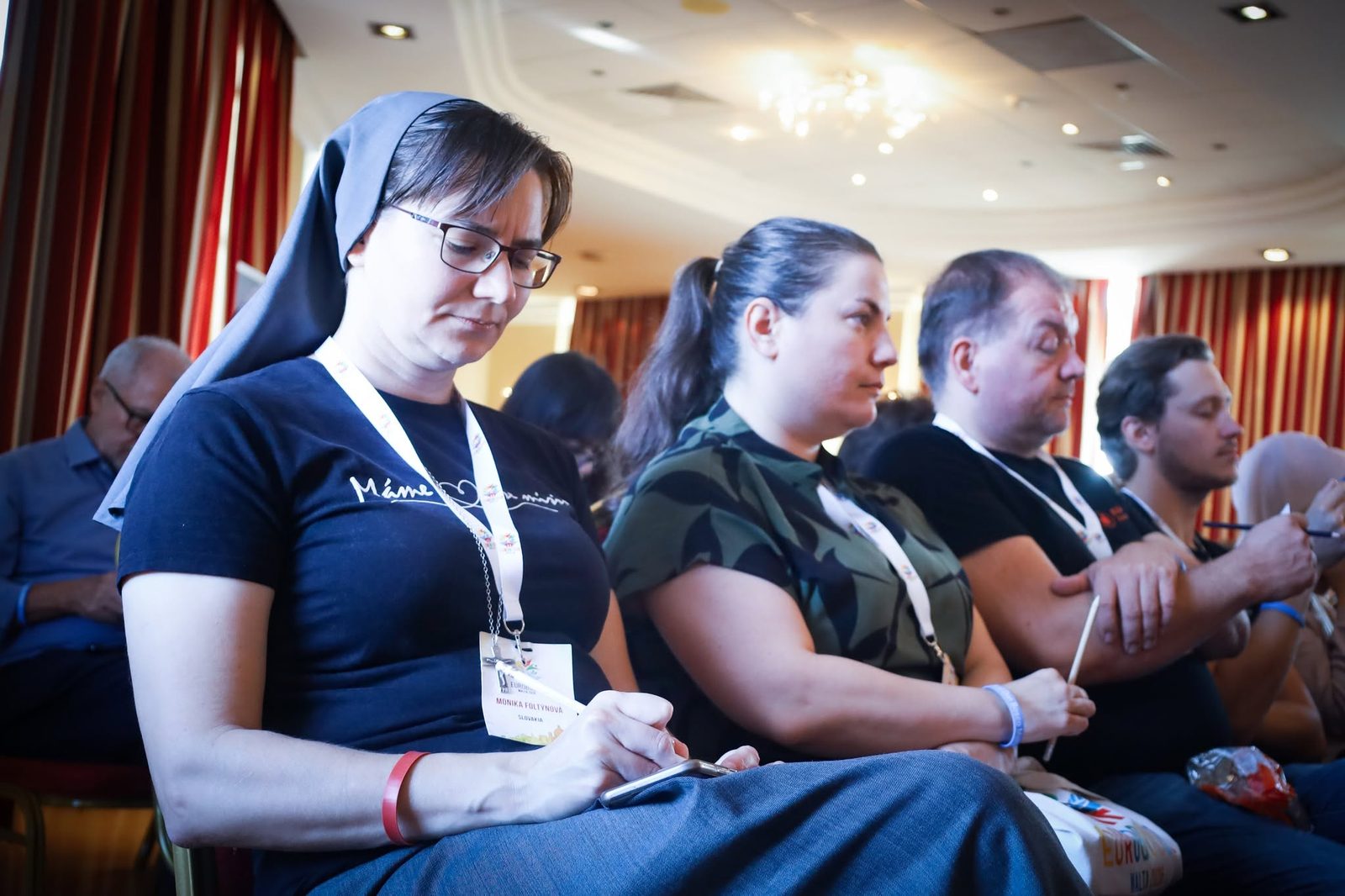
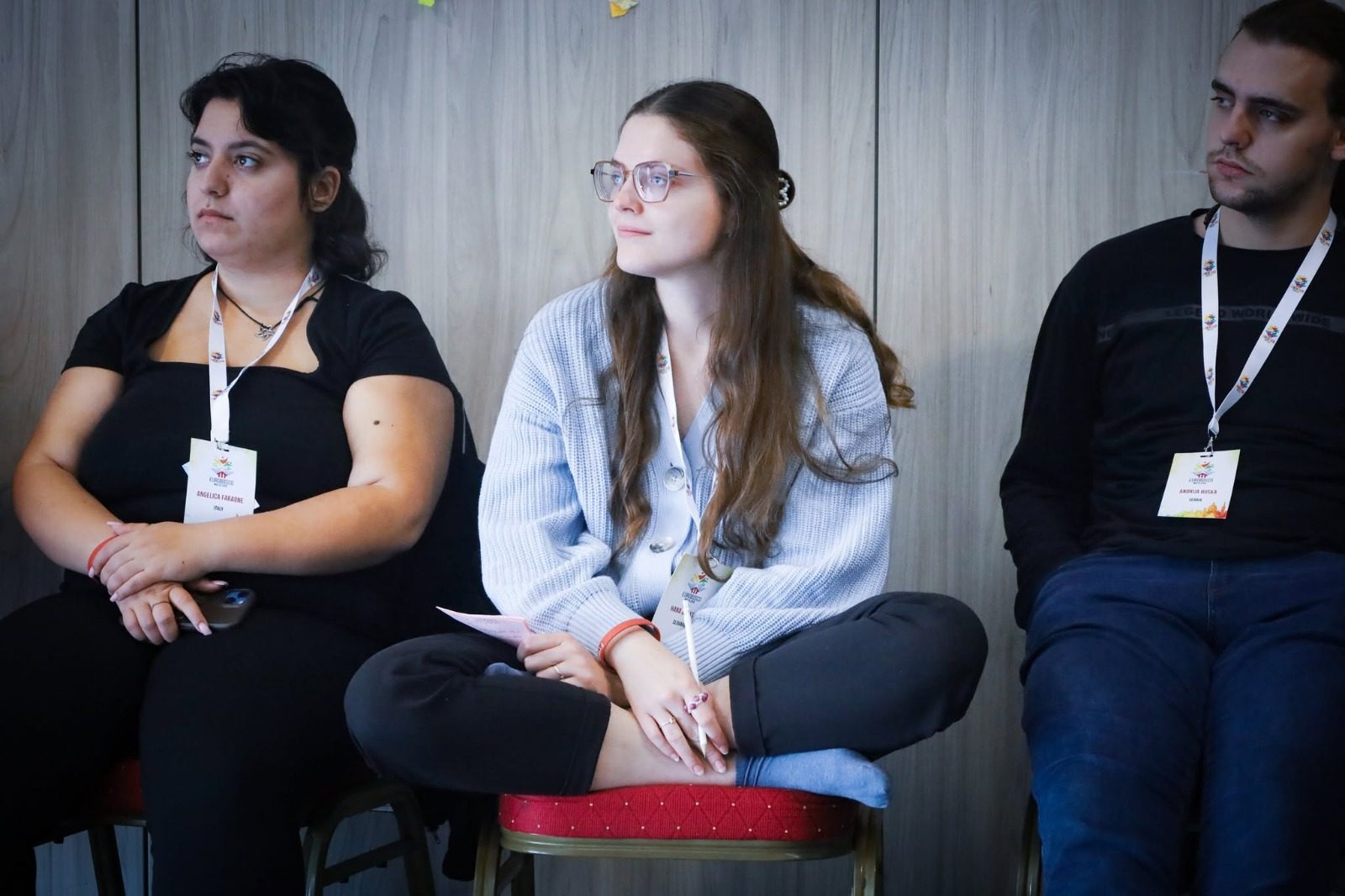
The training brought together youth workers, teachers, volunteers and others who work with young people every day. Its aim was to strengthen their professional and personal skills, share experience and find practical ways to support young people's personal, social and emotional growth.
Mental health as part of everyday youth work
One of the project's starting points was the understanding that young people's wellbeing does not exist in isolation. It is shaped by where they grow up, the quality of their relationships, feeling safe, being able to say what they think and knowing that they belong somewhere.
The project worked with three connected principles:
Caring
Being present, attentive and alert to young people's needs. Creating places where they feel accepted, respected and valued. Caring also means listening without judgement and noticing when a young person needs support.
Connecting
Building trust, good relationships and a sense of belonging. Good relationships are an important protective factor for mental wellbeing. Young people need to know they do not have to face their problems alone and that there are people around them they can turn to.
Creating
Offering chances for personal growth, self-expression, creativity and active participation. Young people need space where they can discover what they are good at, make their own decisions and feel success.
These three principles were the basis of the whole training programme and gave a shared frame for thinking about how to support wellbeing in everyday youth work.
From knowing yourself to understanding others
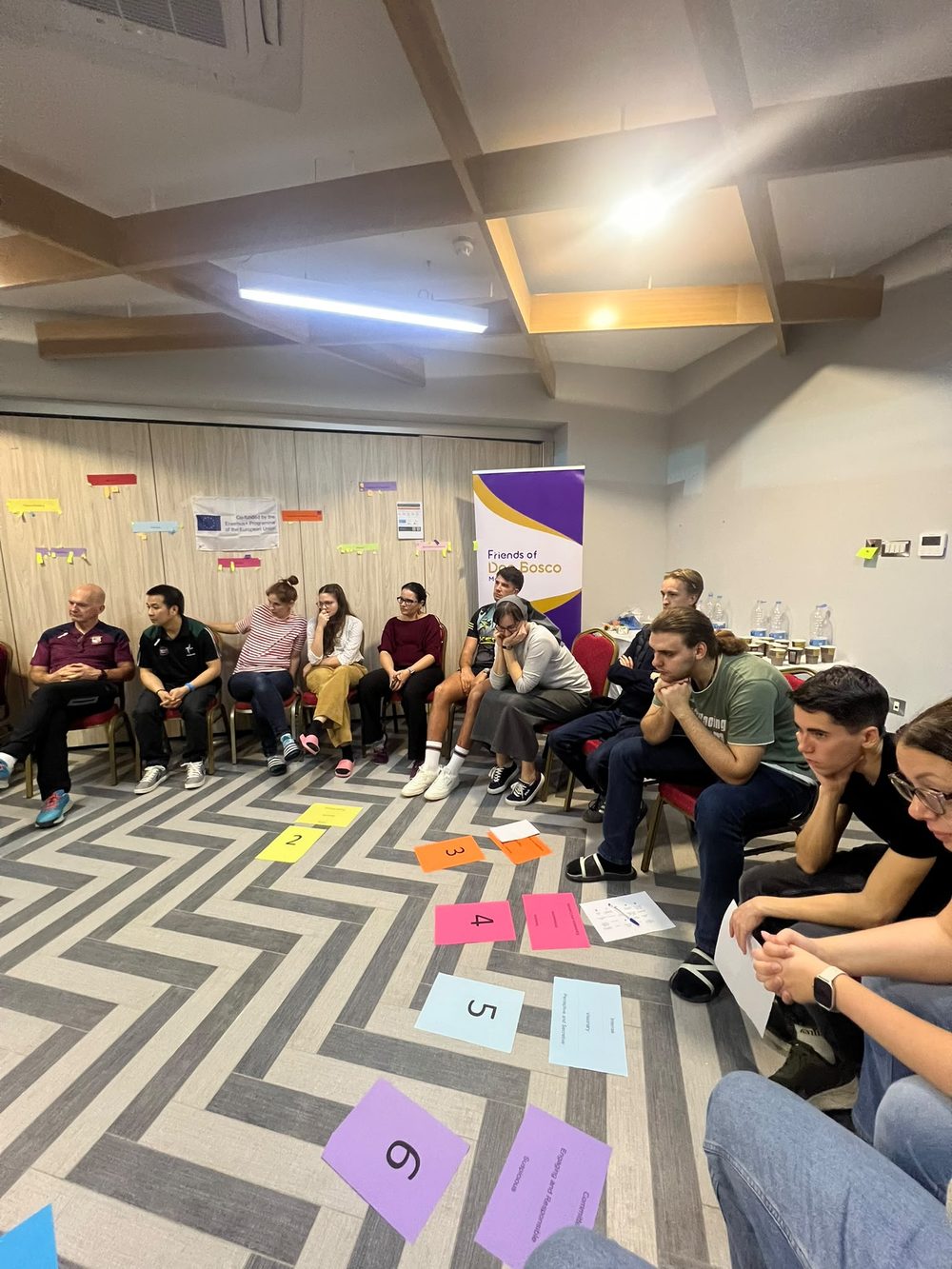
The programme combined non-formal learning, hands-on activities, expert workshops, group work and shared reflection.
Self-awareness was an important part. Through mindfulness activities and personal development work, participants looked at their own experience, their emotions and how they understand themselves and others.
One of the first activities was a sensory mindfulness walk. Using all five senses, participants slowed down and noticed the present moment and their surroundings. It showed the value of conscious attention, relaxation and making room for rest.
This was followed by work with the Enneagram, which opened up personality differences, self-awareness and a better understanding of what drives other people's behaviour.
The programme also included the activities Follow My Lead and Abigail's Story, group discussions and a Connecting Circle, which made room for sharing experience, listening to each other and building trust.
Special attention went to practical methods for working with young people. The aim was not only to add theory, but above all to help participants carry what they learned back into their organisations and communities.
Safe places and relationships as the basis of support
Another important topic was creating safe, inclusive and supportive environments.
A safe space is not only about physical safety. It is also a place where young people do not have to fear judgement, can talk openly about their feelings and know that their voice matters.
Participants looked at accompanying young people, active listening, preventing social isolation and removing the barriers that keep young people from taking part in community life.
Young people's participation was also key: their right to say what they need, to have a say in activities and to actively shape the place where they live.
The project showed youth workers not only as organisers of free-time activities, but above all as people who build relationships, walk with young people through hard times and help them discover their own potential.
Youth Wellness Manifesto – a shared vision for supporting young people
One of the key results of the training was writing the Youth Wellness Manifesto together.
In working groups, participants explored how to turn the values of caring, connecting and creating into concrete commitments and recommendations for youth work.
The manifesto sets out a shared vision of a world where young people's wellbeing is a natural part of everyday practice in organisations and communities.
Writing it also made clear that responsibility for young people's mental health cannot rest on individuals alone. Families, schools, youth organisations, communities and every adult who walks alongside young people all have an important role.
The final presentation of the manifesto and shared reflection opened up the question of how to bring what was learned into concrete activities in each country.
Investing in the people who walk alongside young people
The international training gave participants the chance to learn new methods, compare approaches to youth work in different countries and connect with people facing similar challenges.
An equally important message was that youth workers themselves need space for reflection, self-awareness and looking after their own wellbeing. Their ability to be present, attentive and supportive is closely tied to how well they can accompany young people.
The real value of trainings like this shows only after coming home: in everyday work, in new approaches, in better relationships and in places that give young people more room to grow.
Young people's wellbeing does not begin when a problem appears. It begins with every relationship in which a person feels accepted, heard and respected.
The project Youth Wellness: Caring, Connecting and Creating was carried out with the support of the European Union's Erasmus+ programme and coordinated by Friends of Don Bosco Malta.
Caring. Connecting. Creating. Because every young person needs a place where they can grow safely.